
Breast Cancer In Men: It Can Meet Anyone
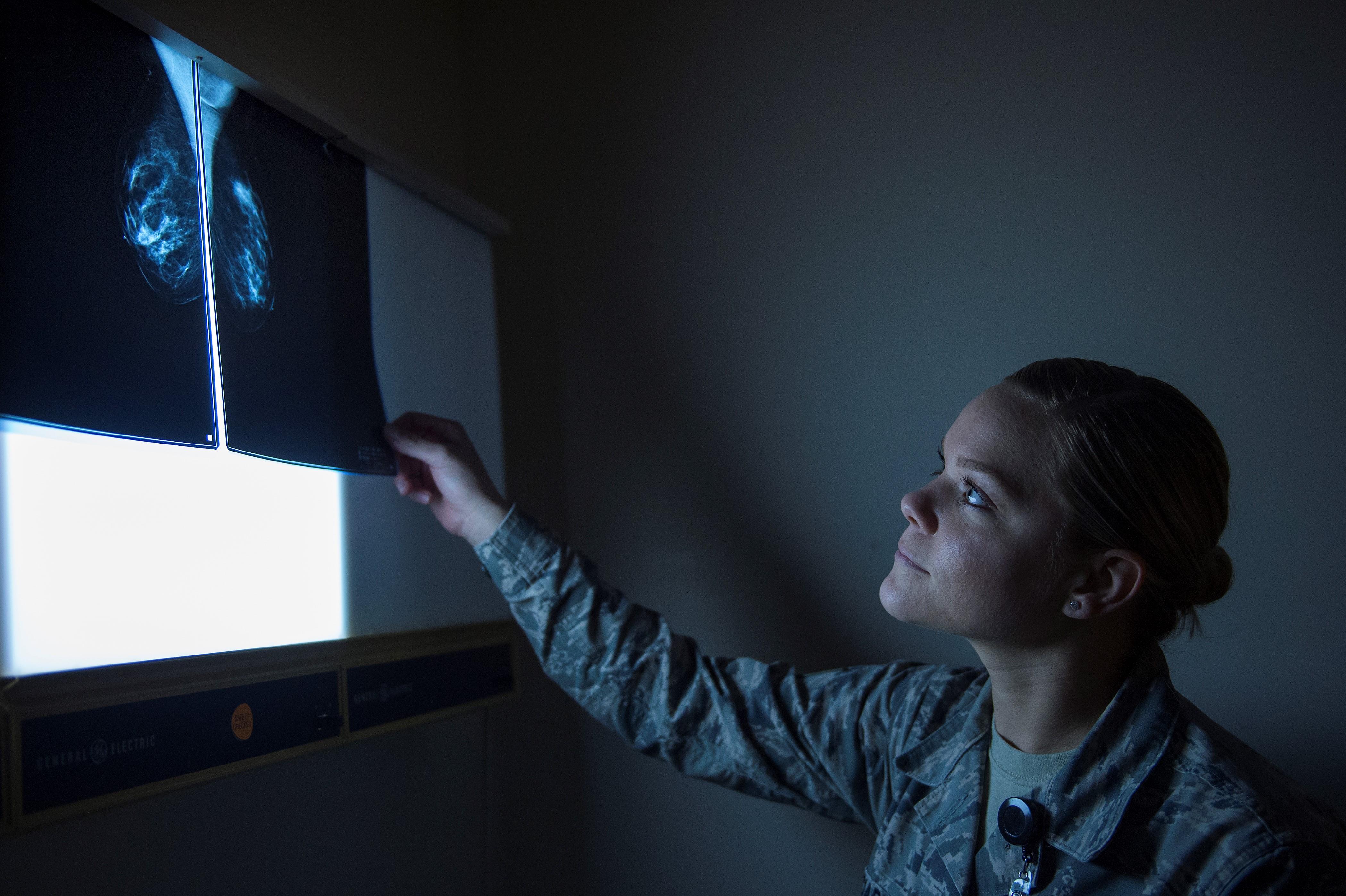
Breast cancer? Most men believe they have nothing to do with it. But that is a fallacy. Even a man can be diagnosed with a malignant tumor in his chest. But because hardly anyone expects it, the cancer is often recognized late. The prospects are correspondingly bad.
Early detection program is missing
While breast cancer patients have a relative ten-year survival rate of 82 percent, in men it is 65 percent. The explanation for this is that breast cancer is diagnosed much later in men than in women. One of the reasons: There is no early detection program for men, unlike women.
In addition, men dismiss chest discomfort in many cases as trivial. Even if they go to the doctor with it, that does not mean that the disease is recognized immediately. Not infrequently, tactile findings in the male breast - as in the woman too - initially considered benign.
At what age do sufferers get sick?
It can take a long time before the final diagnosis is made: the average age of onset is around 70 years and thus much higher than in women.
Why do men get breast cancer?
Why men even develop breast cancer is not yet fully understood. There are indications that certain gene alterations could be a possible cause. Such changes occur spontaneously, but they can also be inherited.
Especially when breast cancer has occurred among women of first to third degree of family affiliation, men should be alert and pay particular attention to their breasts. Incidentally, breast cancer genes can also be passed on by men to their children - both daughters and sons.
An imbalance of the hormones testosterone and estrogen may also promote breast cancer. Such an imbalance arises for example by an undescended testicle or by a testicle inflammation as a result of infectious diseases such as measles.
Detect warning signals
Warning signs that something is wrong, show up in the man similar to the woman. This can be a knot, a hardening in a breast or a retracted nipple. In order for the cancer to be detected at an early stage, it is important that men also regularly palpate the breast.
Sometimes the nipple also inflames and releases a clear or bloody discharge. Such symptoms should always be clarified by a doctor. Behind the signs, however, breast cancer does not necessarily have to be concealed. An inflamed nipple can also be quite banal due to abrasive clothing.
treatment options
If these causes are eliminated, the breast is examined by ultrasound and mammography. For a safe diagnosis, the doctors take a tissue sample and have it analyzed in the laboratory. With further investigations, they determine whether cancer cells have also spread in the surrounding lymph nodes and beyond.
Ultimately, even in men with breast cancer surgery for no way around. In addition to the glandular tissue, the nipple and the tissue layer delimiting the pectoral muscle are removed. If lymph nodes are also affected by the cancer, then these are also taken out.
Since breast cancer cells in men can also grow hormone-dependent, in these cases, the patient must undergo a hormone therapy after surgery - often an unpleasant procedure. The therapy can have side effects like depression, weight gain or impotence. Many men therefore drop them prematurely. In addition to hormone therapy, male and female breast cancer patients may receive radiation and chemotherapy after surgery.
Controversial therapy
Thus, the treatment is largely based on that of women - which, however, is controversial. For now, there is evidence that there are tumor-biological differences between men and women. It would therefore have to give the patient suffering from breast cancer other forms of treatment after surgery.
Good chances of recovery in early detected tumor
If the tumor is diagnosed early, the chances of recovery are even higher than in women. This is because breast cancer in men is often hormone dependent. The fact that targeted treatment starts as early as possible, however, requires that the disease emerges from its shadowy existence.
Men are ashamed to have a "female disease"
Every man should be aware that he can get breast cancer. With approximately 600 new cases in Germany per year, the likelihood is relatively low, yet it can meet anyone.
Many sufferers do not want to have the diagnosis true at first. They are ashamed to have a "gynecological disease" and to be treated gynecologically. In bad cases, this leads to a life-saving treatment being too late.
Men with Klinefelter syndrome are at-risk
Some men are at an increased risk of developing breast cancer. For example, Klinefelter syndrome is a genetic alteration of the sex chromosome. These men are carriers of a congenital genetic disorder in which at least one additional
No comments